Misfortunes of watchmaker from Le Locle, or Francois Perregaux and Japanese time measurement
Brother-in-law of Constant Girard-Perregaux, Francois Perrago was a lover of adventures. He learned the watchmaker craft before his departure to America at age of 19. After six years in New York, where he studied the watch business, Francois returned to Switzerland and joined the Union Horlogère, uniting producers of watches in La Chaux- de-Fonds and Le Locle.
The union was planning to open new outlets in Asia, particularly in Japan, where were not familiar with the Swiss watchmaking . Given François`s past experience, he was instructed to go to Japan, and after a year he stayed in Singapore, arrived in the city of Yokohama - the only city that accepts foreigners.
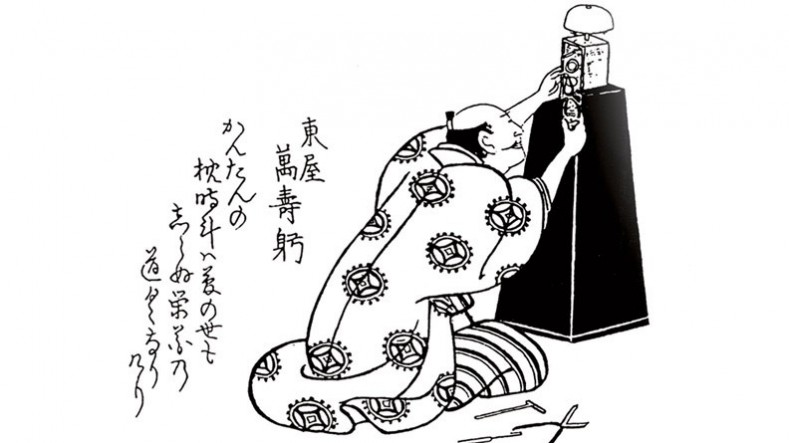
Japanese time measurement
But, Francois expected a big surprise: the dimension of time in Japan was completely different from the standard system of timekeeping. At this time in Japan, there were two systems of measurement: equinox system used by astronomers and the civil system used in Japanese society. I.e., the civil system included 6 units with the same time period, the indexing time from sunset to sunrise, and 6 units to display the time from sunrise to sunset, which meant changing time intervals, depending on the time of year. Moreover, this in turn led to the fact that it was necessary to adjust the watch every 15 days, i.e. a total of 24 times a year. In addition, the Japanese counted hours "backwards", started with the highest. In addition, the animal in accordance with the sign of the horoscope called each time (e.g., the figure 9 fixed at midnight and was a period of "rat ").
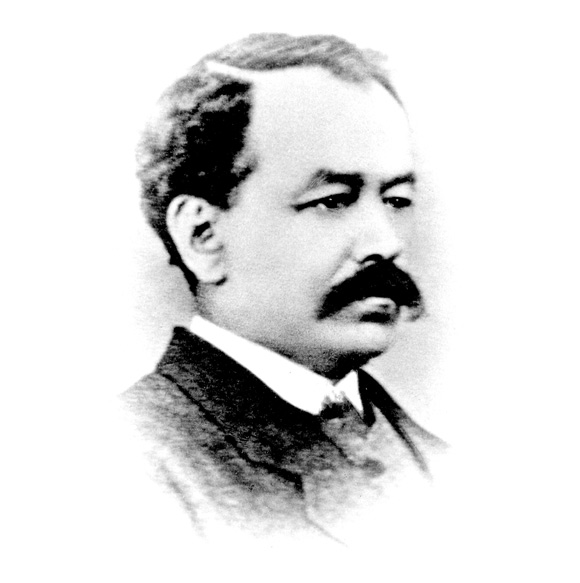
Francois Perregaux
In such a society, Francois Perrago with his "normal" watches was doomed to utter failure. However, fortune still smiled at him when the construction of the railway network began, which led to the need to develop a timeline according to used while measuring system.
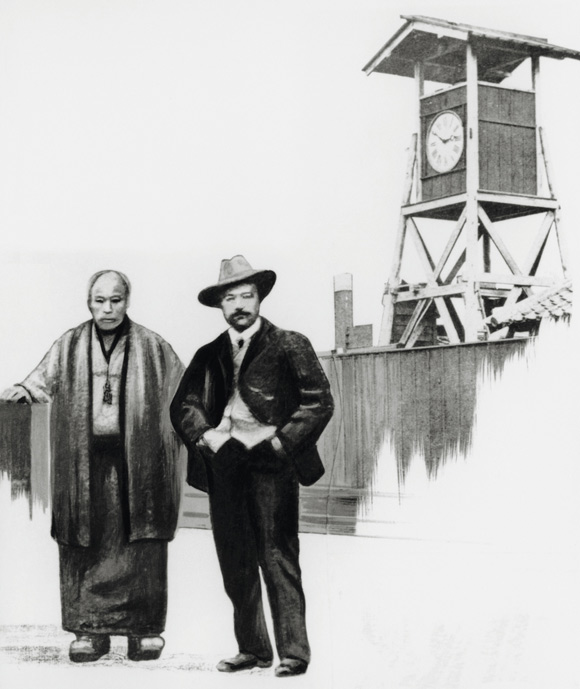
Francois Perregaux and Japanese time measurement
1st January 1873, Japan adopted the Western system of measuring time and calendar. Thus, Francois could start a regular supply of watches, but, unfortunately, died in 1877. Francois Perregaux was buried in the cemetery for foreigners in Yokohama.
Official site of Girard Perregaux.
Written by Lucy Vuiton