Patek Philippe watch museum
 The Patek Philippe Museum in Geneva is devoted to five centuries of watchmaking. It holds around 2,500 watches, automata, precious objects and miniature enamel portraits: not only Patek Philippe’s own history since 1839, but also European watches from the 16th to the 19th century.
The museum was created by Philippe Stern, who led Patek Philippe from 1993 to 2009 and spent decades assembling the collection. It opened in November 2001 and has since welcomed hundreds of thousands of visitors.
The building
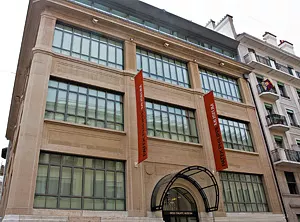
The museum occupies a building at Rue des Vieux-Grenadiers 7 in Geneva’s Plainpalais district. Built in 1919–1920 as an industrial workshop, it was acquired by Patek Philippe in 1975. Between 1999 and 2001 it was restored and extended with an additional floor to house the museum. Gerdi Stern, Philippe Stern’s wife, oversaw the interiors, which were designed to feel closer to a private residence than to a conventional museum.
The exhibition is spread over four floors, and each one has its own theme.
Ground floor: the watchmaker’s workshop
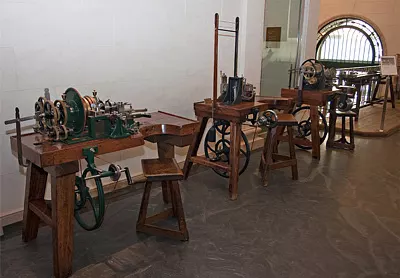 The visit begins with the tools of the trade. The ground floor displays antique watchmakers’ workbenches and hand-made tools used by watchmakers, engravers and enamellers, as well as the museum’s restoration workshop, where pieces from the collection are maintained.
It is a useful introduction to everything upstairs: before seeing the finished watches, visitors can see how much of the work was once done entirely by hand.
First floor: the Patek Philippe collection
 The first floor tells the story of Patek Philippe itself, from the company’s earliest pocket watches of 1839 to modern pieces. Among the most significant exhibits are the wristwatch made in 1868 for Countess Koscowicz of Hungary, which Patek Philippe regards as the first Swiss wristwatch, and the company’s first perpetual calendar wristwatch, dating from 1925.
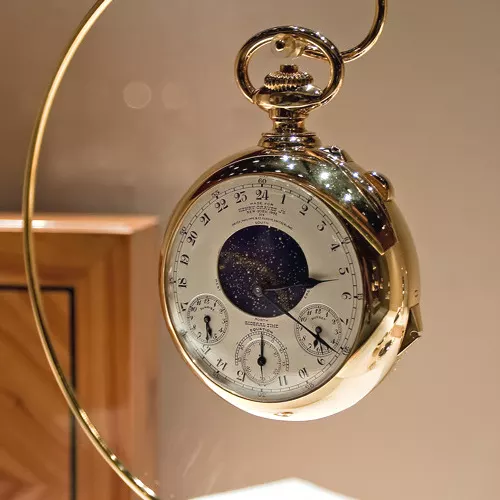
One of the museum’s major exhibits is the Calibre 89, a pocket watch made for the company’s 150th anniversary in 1989. It has 33 complications and 1,728 components, including a celestial chart showing 2,800 stars, and took several years to develop and build.
Second floor: the antique collection
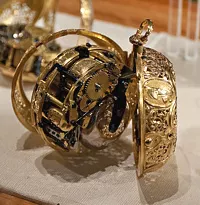 The second floor is devoted to the history of watchmaking before and beyond Patek Philippe. Its more than 1,000 pieces date from around 1500 to the mid-19th century and include watches made in Geneva and elsewhere in Europe, as well as luxury pieces created for the Ottoman and Chinese markets.
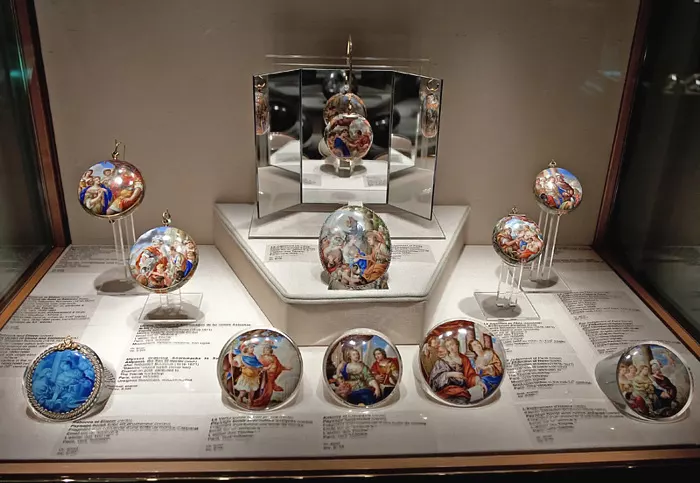
Particularly striking are the automata and musical watches, with tiny moving figures, singing birds and hidden scenes, and the enamel watches. Geneva became famous for painted enamel in the 17th and 18th centuries, and the museum’s collection shows how watches were treated as jewellery and works of art as much as instruments for telling the time.
Third floor: library and archives
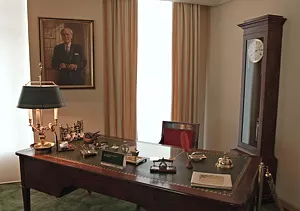 The top floor houses the museum’s historical archives and a library of more than 8,000 publications on watchmaking and the measurement of time. It also displays miniature enamel portraits and snuff boxes.
For researchers, the library and archives provide an important documentary record of the history of watchmaking and of Patek Philippe itself.
Temporary exhibition: 50 years of the Nautilus
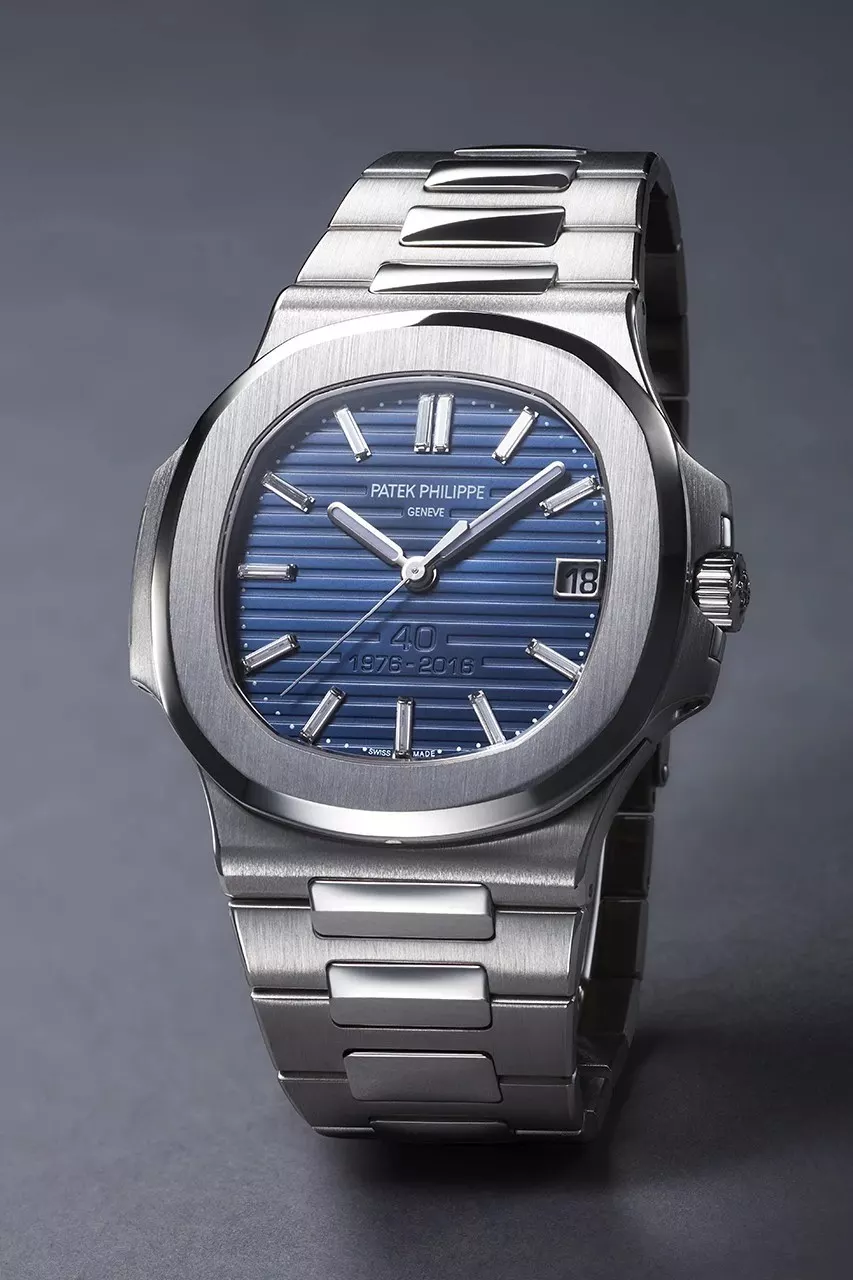
To mark the 50th anniversary of the Nautilus, launched in 1976, the Patek Philippe Museum is presenting a temporary exhibition devoted to the collection. It runs until early 2027; check the museum’s official page for current details before visiting.
Visiting the museum
- Address: Rue des Vieux-Grenadiers 7, 1205 Geneva, Switzerland, in the Plainpalais district.
- Tickets and opening hours: check the official Patek Philippe Museum page before your visit, as opening times and admission details may change.
- Time needed: the museum is large and detailed, so allow enough time to see all four floors without hurrying.
Patek Philippe Museum FAQ
Where is the Patek Philippe Museum?
In Geneva, at Rue des Vieux-Grenadiers 7 in the Plainpalais district.
Who founded the Patek Philippe Museum?
Philippe Stern, former president and now honorary president of Patek Philippe, who assembled the collection over several decades. The museum opened in 2001.
Is the museum only about Patek Philippe watches?
No. One floor is devoted to Patek Philippe’s own watches since 1839, while another presents an antique collection of more than 1,000 European watches and objects from around 1500 to the mid-19th century.