Longines Watches
Longines is a Swiss watchmaker founded in Saint-Imier in 1832. The company grew from a traditional watchmaking trading office into an industrial manufacture and built a long history in precision timing, aviation, sport and classically styled wristwatches. Its winged-hourglass emblem, used since the 19th century, remains one of the most recognisable symbols in Swiss watchmaking.
Longines is headquartered in Saint-Imier, Switzerland, where its historic buildings, workshops and museum are still located. The company belongs to the Swatch Group. Since 2025, Longines has been led by CEO Patrick Aoun, who succeeded Matthias Breschan.
From Auguste Agassiz to the Longines manufacture
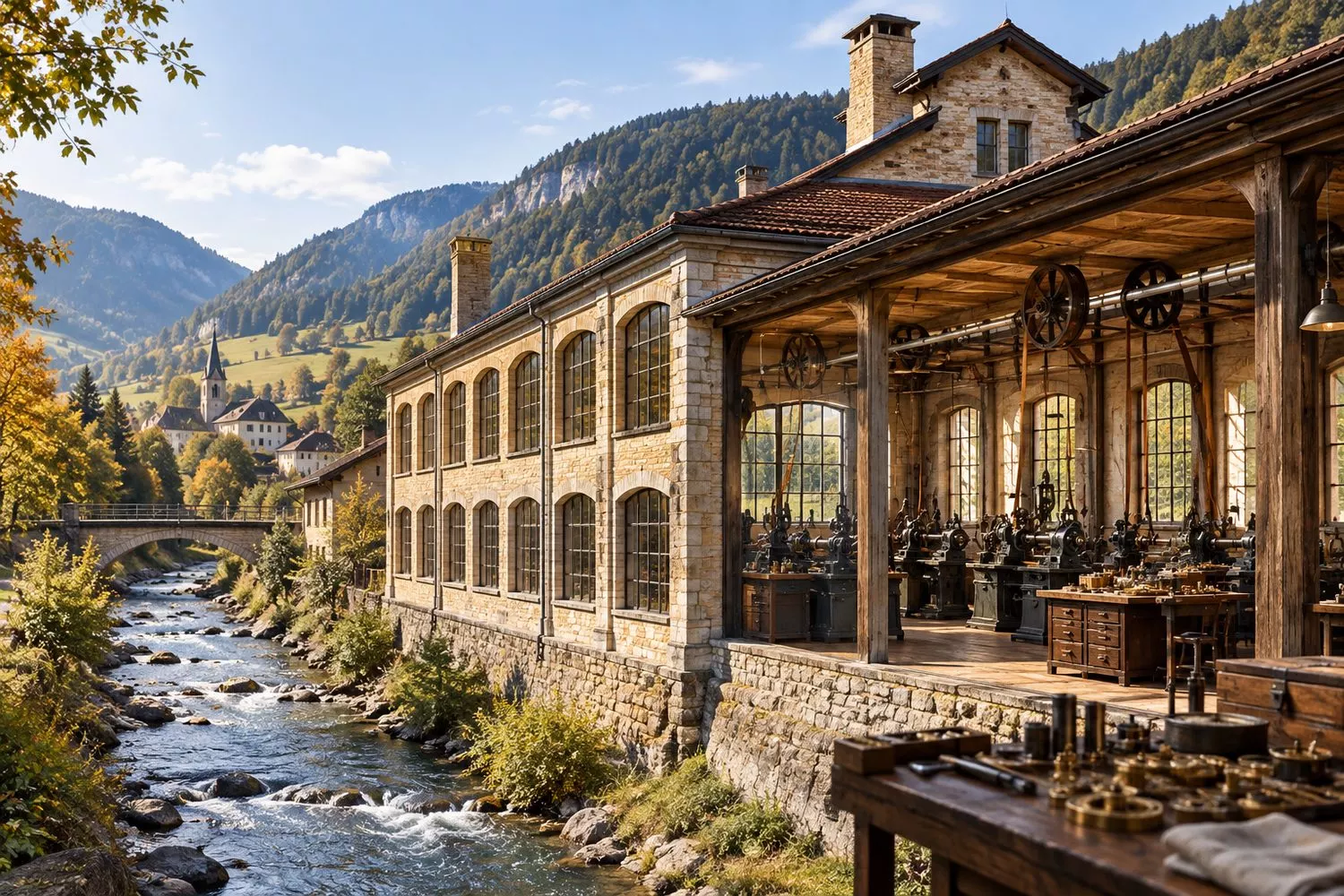
The story began in 1832, when Auguste Agassiz entered the watch trade in Saint-Imier. The business operated according to the traditional Swiss établissage system: specialised watchmakers worked independently, often from their homes, while the trading office coordinated final assembly and sales. The company already developed an international business during this period, including exports to the United States.
Agassiz's nephew Ernest Francillon settled in Saint-Imier in 1854 and soon took over the family business. He wanted to replace the dispersed production system with a more integrated and mechanised approach. In 1866 he bought two adjoining plots on the right bank of the River Suze at a place locally known as Les Longines. The factory built there opened in 1867 and brought the principal stages of watch production together under one roof.
Francillon worked with engineer Jacques David to develop machinery and production methods for the new factory. The industrial strategy allowed the company to expand rapidly: by 1911 the Longines factory employed more than 1,100 people and its watches were sold around the world. The name of the factory site gradually became the name by which the watches themselves were known.
The winged hourglass
The Longines name and winged-hourglass symbol have unusually deep roots. Francillon chose the winged hourglass for products from the new factory in 1867. In 1889 he registered a trademark combining the Longines name and the emblem. Longines describes it as the oldest trademark or logo still in use in its original form in the international registers maintained by the World Intellectual Property Organization.
The mark had a practical purpose as well as a visual one: it helped buyers distinguish genuine Longines watches from imitations at a time when the company's reputation was spreading internationally. Longines also accumulated awards at international exhibitions; by the Barcelona exhibition of 1929, the company had received ten Grands Prix.
Precision timing and sport
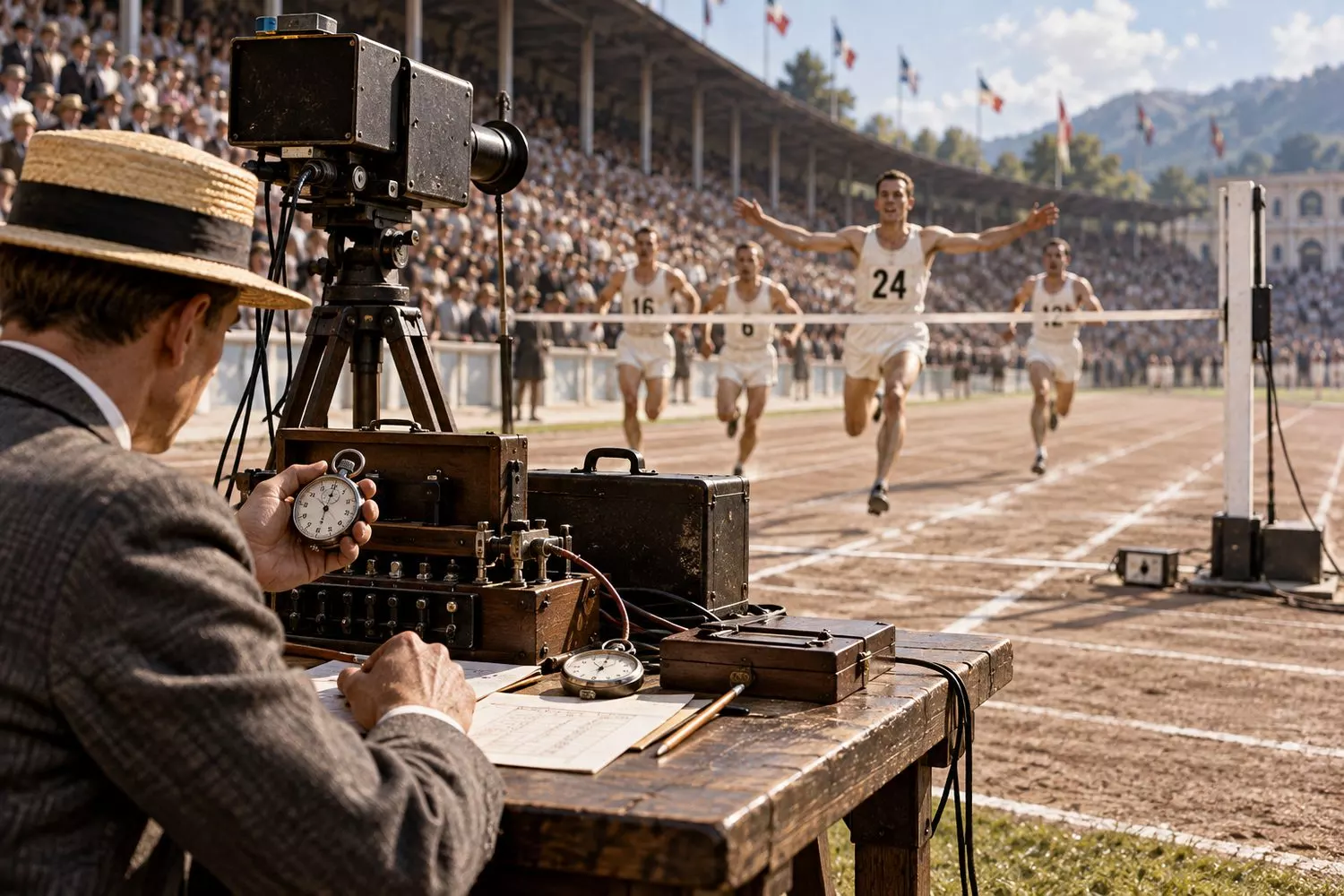
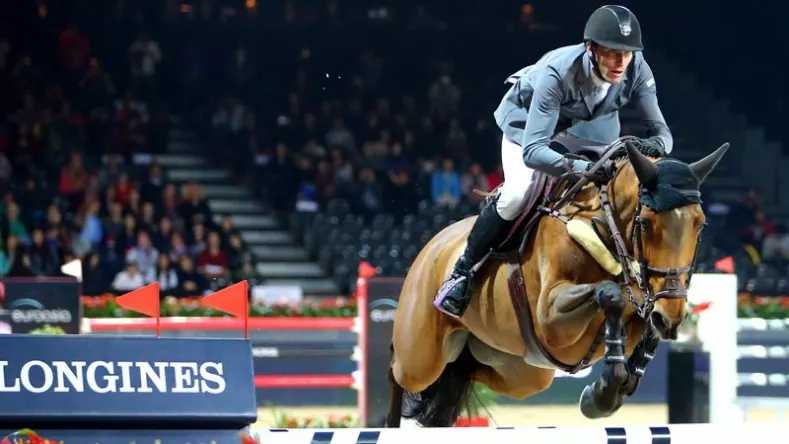
Chronographs and precision measurement became an important part of Longines' identity. Over the decades the company developed specialist timing equipment and worked at sporting events in disciplines ranging from equestrian sport and gymnastics to skiing and motor racing. This history eventually made sports timing one of the recurring themes of the brand alongside traditional watchmaking.
That connection continues today. Longines remains involved in international equestrian sport and alpine skiing, among other disciplines, while its modern sports watches draw on a much broader technical history than a single competition or partnership.
Longines and aviation
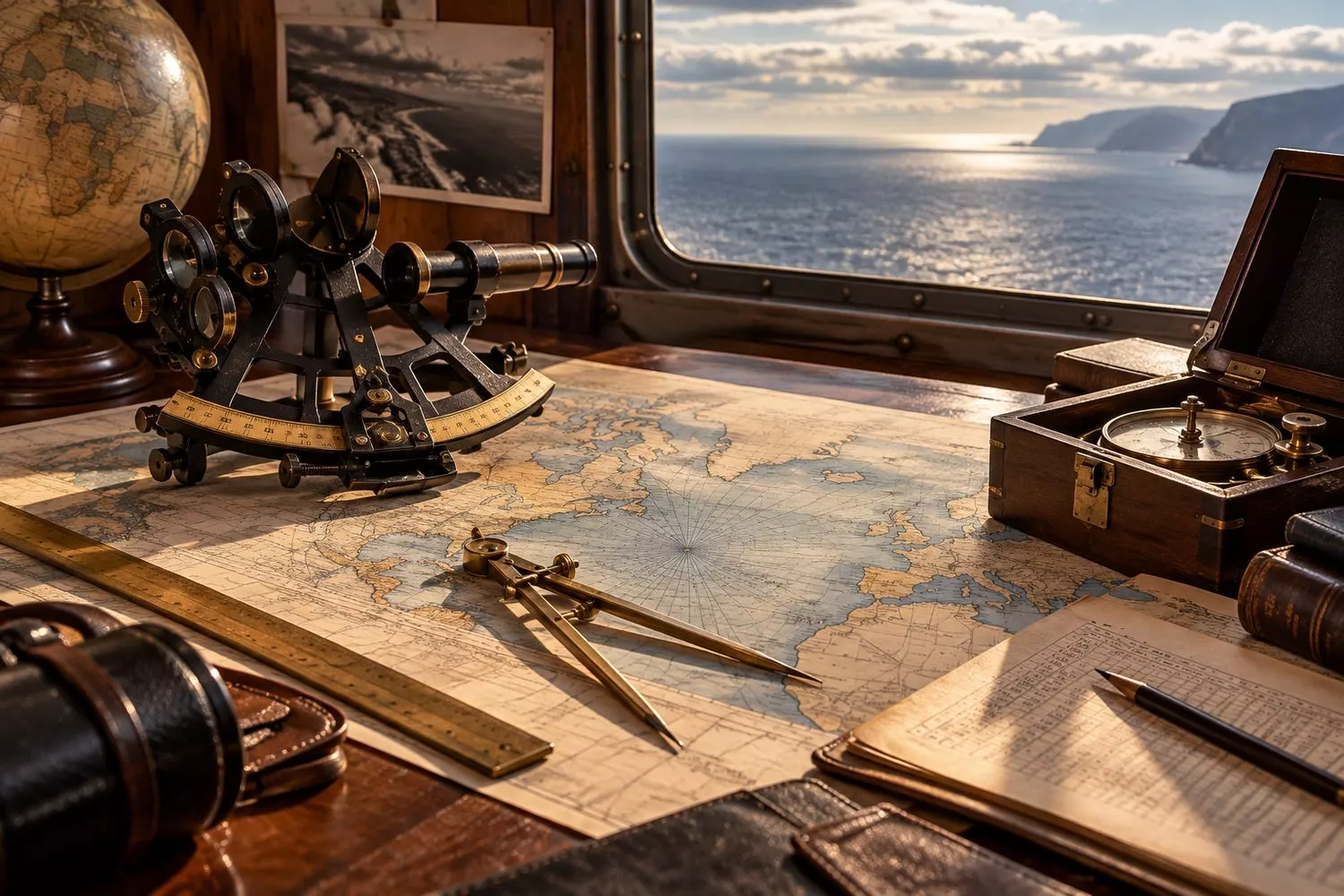
Aviation created another important chapter. Longines produced watches, chronographs and navigational instruments for pilots during the formative decades of powered flight. The company's association with Charles Lindbergh is especially well documented: Longines timed his 1927 solo transatlantic flight from New York to Paris.
After the flight, Lindbergh devised the concept for an hour-angle watch intended to help aviators determine longitude. Longines produced the resulting Hour Angle Watch, building on navigation methods and instruments developed during the period. The design remains part of the company's aviation heritage, alongside the Weems Second-Setting Watch and other historical pilot's watches.
From historical designs to modern Longines
Longines today combines contemporary collections with frequent references to its extensive archives. Rather than concentrating on a single type of watch, the catalogue spans classic dress watches, sports watches, diving models, GMT watches and historically inspired pieces.
The company has also preserved a substantial archive in Saint-Imier. Longines states that it has retained historical information linked to the serial numbers of its watches since 1867, allowing owners of older pieces to request archival information and, where appropriate, authentication services.
Main Longines collections
- Conquest – a broad sports-elegance family that includes automatic and quartz watches and draws on a name used by Longines since the mid-20th century.
- HydroConquest – the modern dive-watch line, including automatic, quartz and GMT models with purpose-built water resistance and rotating bezels.
- Longines Spirit – aviation-inspired watches that connect modern designs with the brand's history of pilots, explorers and precision instruments; the family includes Zulu Time and Flyback models.
- The Longines Master Collection – mechanical watches ranging from simple automatic models to chronographs, moon-phase displays and other complications.
- Longines DolceVita and Mini DolceVita – rectangular watches with a stronger emphasis on classic and jewellery-inspired design.
- Longines Legend Diver – a heritage-inspired dive-watch family derived from Longines diving watches of the 20th century.
- Heritage models – historically inspired watches such as Flagship Heritage, Conquest Heritage and aviation pieces that reinterpret designs from the Longines archive.
Longines FAQ
Who owns Longines?
Longines belongs to the Swatch Group, the Swiss watchmaking group whose portfolio also includes brands such as Omega, Tissot, Hamilton, Rado and Breguet.
Where is Longines based?
Longines is based in Saint-Imier in the Swiss Jura. The company has been associated with the town since its foundation in 1832, and its headquarters, workshops and museum remain there.
Who is the CEO of Longines?
Patrick Aoun has led Longines as CEO since 2025. He succeeded Matthias Breschan, who served as CEO from 2020 to 2025.
What does the Longines logo mean?
The Longines emblem is a winged hourglass. The company began using the symbol in 1867 and registered the Longines name together with the winged hourglass as a trademark in 1889.
What are the best-known Longines watches?
Among the brand's best-known names are the Conquest, HydroConquest, Longines Spirit, Master Collection, DolceVita and Legend Diver. Historically, the Lindbergh Hour Angle Watch and Weems Second-Setting Watch are particularly important to Longines' aviation heritage.